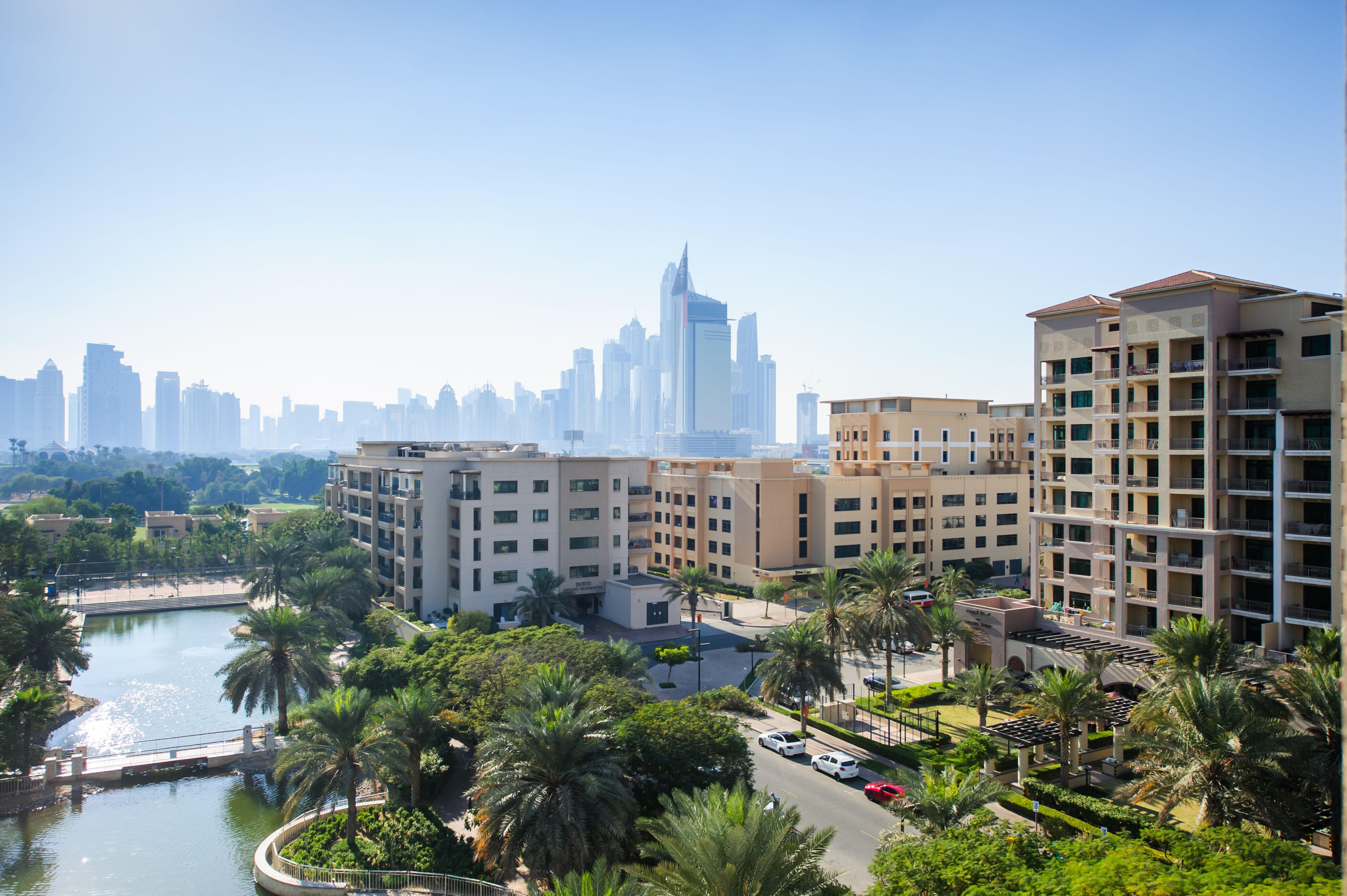
Dubai has long been the flagship of the UAE’s real estate market, attracting global investors with its scale, liquidity, and international appeal. However, as the market matures and becomes more selective, investors are increasingly looking beyond Dubai for emerging opportunities elsewhere in the UAE.
The question many are now asking is not whether Dubai still performs, but where else in the UAE property market future growth, value, and diversification may be found.
From Abu Dhabi’s cultural districts to Ras Al Khaimah’s tourism-led expansion, several emirates are gaining attention as UAE property investment hotspots heading into 2026.
Looking Beyond Dubai: Why Investors Are Expanding Their View
As Dubai moves into a more balanced phase of its cycle, some investors are seeking:
- Earlier entry points
- Lower-density markets
- Government-led master planning
- Tourism-driven growth
- Long-term infrastructure investment
This has naturally shifted attention to emerging real estate markets in the UAE, particularly those benefiting from large-scale public investment and clearer long-term positioning.
While Dubai remains the most liquid market, other emirates are increasingly offering complementary investment opportunities rather than direct competition.
Abu Dhabi Real Estate Investment: Stability and Long-Term Vision
Abu Dhabi has steadily strengthened its position as a serious real estate investment destination. The market differs from Dubai in pace and profile, but this is precisely what appeals to long-term investors.
Abu Dhabi’s real estate strategy is anchored in:
- Government-led development
- Cultural and educational infrastructure
- Lifestyle-driven master communities
- Strong end-user demand
Areas such as Saadiyat Island continue to attract both regional and international buyers, particularly those seeking beachfront living, cultural assets, and premium residential environments.
When comparing Abu Dhabi vs Dubai real estate investment, Abu Dhabi often appeals to investors prioritizing stability, lower volatility, and long-term residency demand, rather than short-term price movement.
Is Ras Al Khaimah Good for Property Investment?
Ras Al Khaimah has emerged as one of the most talked-about UAE property investment hotspots in recent years, and with good reason.
The emirate’s strategy is closely tied to:
- Tourism and hospitality growth
- Lifestyle-led coastal development
- Lower entry prices compared to Dubai
- Significant government backing
The spotlight has increasingly fallen on Al Marjan Island, where large-scale branded residences, resorts, and mixed-use developments are reshaping the investment landscape. These projects are attracting investors looking for capital growth linked to tourism demand, particularly as Ras Al Khaimah positions itself as a leisure and lifestyle destination.
For investors asking whether Ras Al Khaimah is a viable alternative to Dubai, the answer is increasingly yes - particularly for those seeking earlier-cycle opportunities.
Sharjah Real Estate Investment: End-User Demand and Affordability
Sharjah represents a different type of opportunity within the UAE emerging markets landscape.
Rather than being driven by luxury or tourism, Sharjah’s real estate market is supported by:
- Strong end-user demand
- Affordability relative to Dubai
- Proximity to key employment hubs
- Increasing availability of freehold ownership for non-GCC buyers
Sharjah real estate investment tends to appeal to investors focused on stable rental demand, longer tenancies, and lower price sensitivity. While capital appreciation may be slower than in Dubai or Ras Al Khaimah, the market offers predictable fundamentals.
UAE Real Estate Hotspots 2026: A Broader Picture
The UAE’s property landscape is becoming more diversified. Rather than one dominant market, we are seeing multiple emirates playing different roles within the national real estate ecosystem.
Dubai continues to lead in liquidity, global appeal, and scale. Abu Dhabi offers stability and long-term vision. Ras Al Khaimah provides growth potential tied to tourism and lifestyle expansion. Sharjah delivers affordability and consistent end-user demand.
For investors, this opens the door to portfolio diversification within the UAE, reducing reliance on a single market cycle.
How Exclusive Links Supports UAE-Wide Investment Decisions
While Exclusive Links Real Estate is firmly rooted in Dubai, our advisory role extends beyond the city. We have established relationships and agency agreements with government-backed developers and boutique developers not only in Dubai, but also across neighbouring emirates - particularly Abu Dhabi and Ras Al Khaimah.
Our off-plan advisors regularly assist clients by:
- Comparing Dubai opportunities with other emirates
- Advising on off-plan projects in the UAE
- Assessing risk, yield, and long-term positioning
- Supporting investors seeking diversification beyond Dubai
For investors considering the UAE emerging markets, this comparative insight is essential. The best decision is rarely about chasing trends - it’s about understanding how different markets behave over time and how they fit into a broader investment strategy.
A More Nuanced UAE Property Market
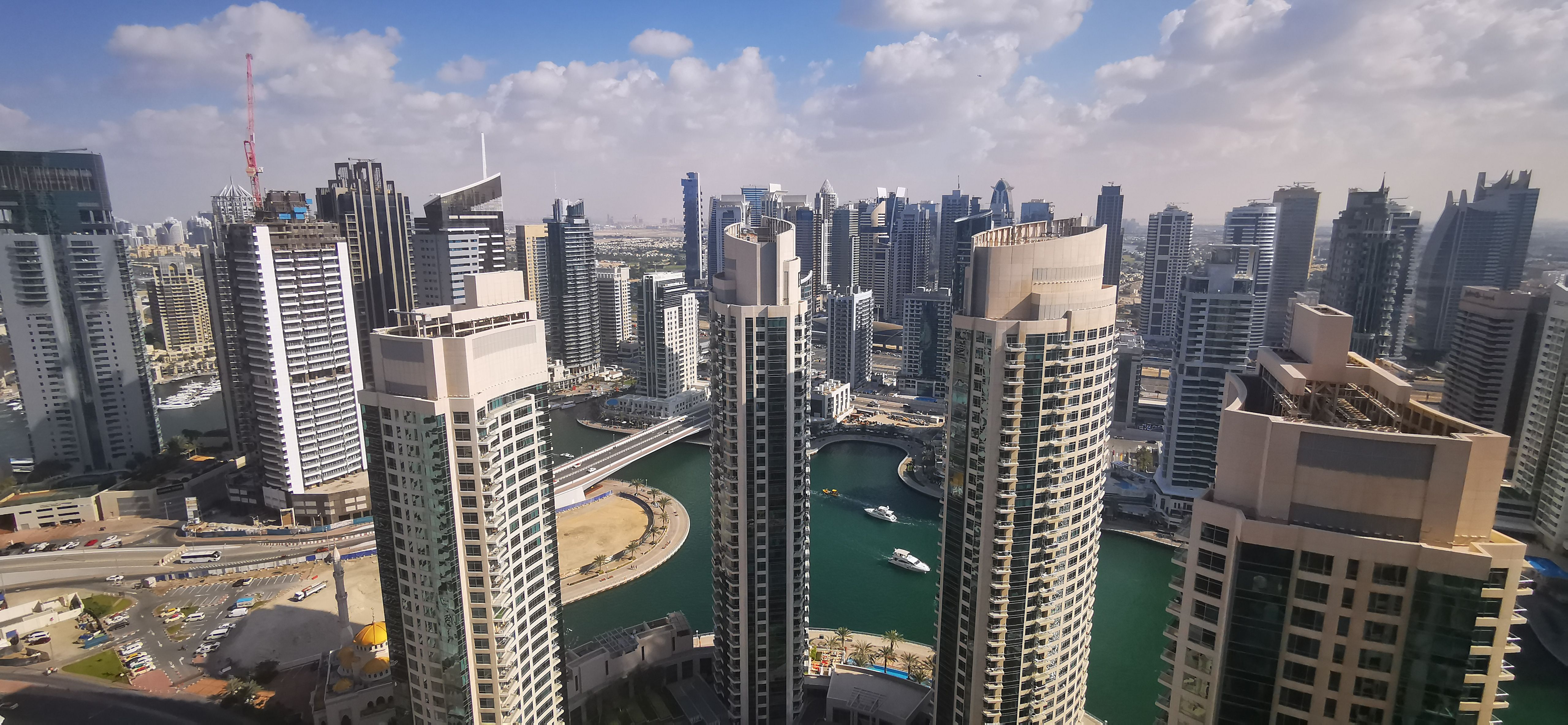
The UAE property market is no longer defined by Dubai alone. 2026 will see emerging investment hotspots across the country offering investors new choices, varied risk profiles, and long-term potential.
Dubai remains the cornerstone of the market, but Abu Dhabi, Ras Al Khaimah, and Sharjah are increasingly shaping the future of UAE real estate in their own distinct ways.
For investors willing to look beyond the obvious and take a measured, informed approach, opportunities exist across the UAE - not as replacements for Dubai, but as strategic complements.
For guidance on UAE-wide property opportunities, off-plan projects, or comparative investment advice, the team at Exclusive Links Real Estate is always happy to help. You can explore more at www.exclusive-links.com.
Are you looking for a name you can trust?
We harness professional and market expertise from all areas of the business and work with a transparent client centric approach.