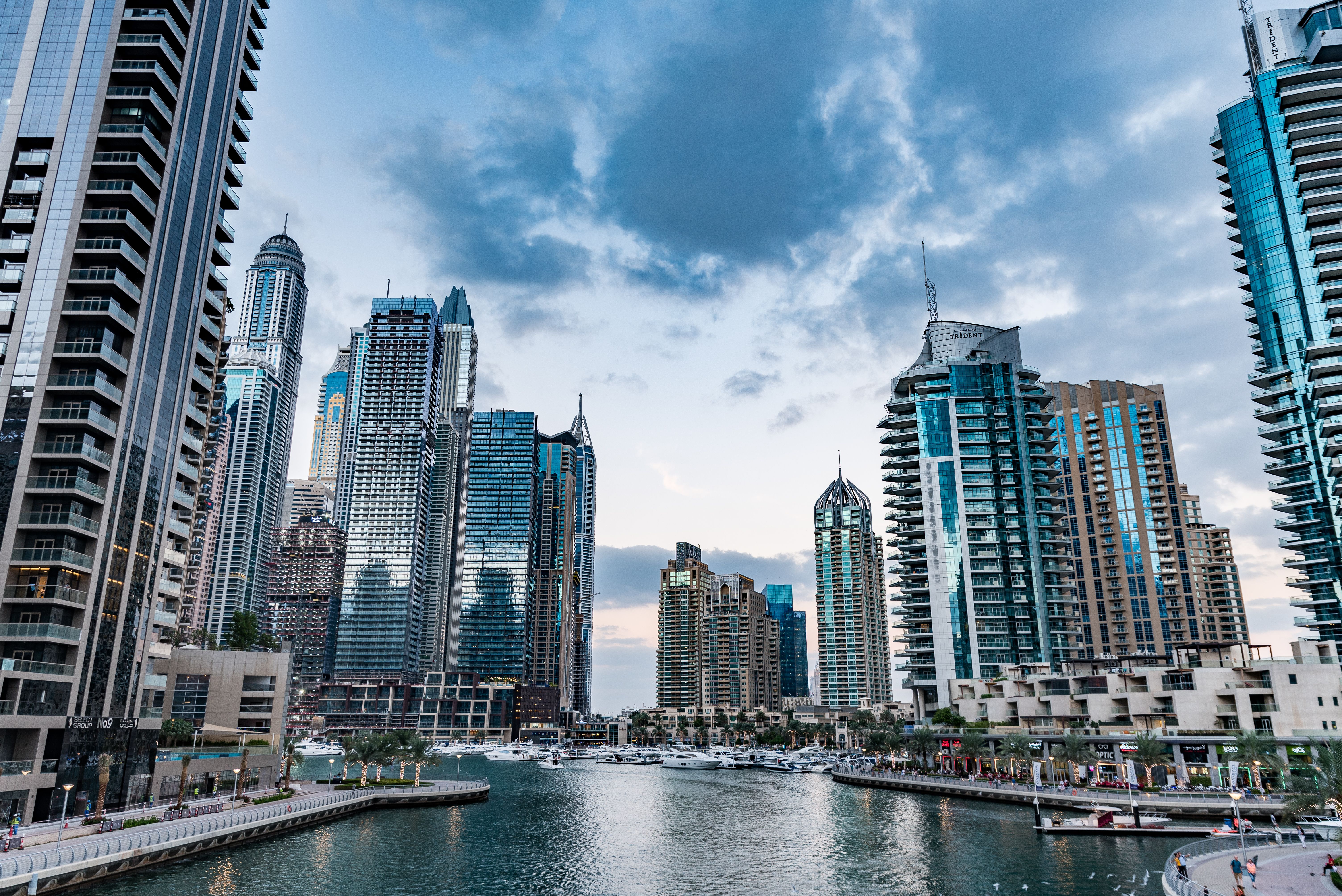
As Dubai continues to deliver new residential developments across multiple communities, a growing number of buyers and investors are asking an important question - will Dubai property prices fall due to oversupply?
Concerns around housing supply are not new in Dubai’s market cycle. However, oversupply does not automatically mean falling prices, and the reality is often far more nuanced. To understand whether Dubai is facing a real estate oversupply and whether prices are at risk of correction, it is essential to look at how supply and demand are currently interacting across different parts of the city.
Is Dubai Facing a Real Estate Oversupply?
Dubai is undeniably in a strong development phase, particularly in the apartment sector. Off-plan launches have increased, and a significant number of units are scheduled for completion over the next few years. This naturally raises concerns about whether the market can absorb this level of new housing, a topic explored further in our analysis on whether Dubai’s real estate market is moving toward oversupply.
However, oversupply is not determined by construction volume alone. It is defined by whether properties can be sold or rented at sustainable prices once completed.
As of 2025, Dubai’s housing supply and demand remain relatively well balanced at a city-wide level. Population growth, inward migration, and rising household formation continue to support demand, while rental markets remain active across both central and suburban communities.
This does not mean that all areas perform equally, but it does suggest that Dubai is not currently experiencing blanket oversupply across the market.
How Does Oversupply Affect Property Prices in Dubai?
When oversupply does occur, its impact on prices is usually localised rather than city-wide.
In higher-supply communities, oversupply may lead to:
- Slower price growth rather than immediate price drops
- Increased developer incentives and flexible payment plans
- Greater competition among landlords
- Longer resale timelines
Rather than sharp price corrections, Dubai typically experiences price differentiation, where stronger communities continue to perform while saturated areas soften slightly.
This pattern has played out in previous cycles and remains consistent with current market behaviour.
Dubai Real Estate Prices Forecast: What Comes Next?
Looking ahead, most market indicators suggest that Dubai real estate prices are more likely to stabilise and grow selectively rather than fall broadly.
Key factors supporting price stability include:
- Strong rental demand underpinning valuations
- High levels of cash transactions
- Conservative mortgage lending policies
- Ongoing population growth
- Continued international investor interest
While the rapid price increases seen in earlier years are unlikely to be repeated, the overall Dubai real estate prices forecast points toward a more mature market phase with moderate growth rather than correction.
Dubai Housing Supply and Demand: A Market in Transition
Dubai’s current supply pipeline is heavily concentrated in apartments, particularly in emerging and mid-market communities. Villa and townhouse supply remains comparatively limited, which continues to support stronger pricing in family-oriented areas.
Demand, meanwhile, is driven by:
- Long-term residents rather than short-term relocations
- Increasing end-user participation
- Strong rental demand supporting investor activity
- Lifestyle-driven community preferences
This demand profile is fundamentally healthier than markets driven purely by speculative buying, reducing the risk of sudden market corrections.
Is the Dubai Property Market at Risk of Correction?
The idea of a “correction” often implies sharp price declines triggered by excessive speculation or economic shock. At present, the market does not exhibit those conditions.
There is no evidence of:
- Excessive mortgage-driven purchasing
- Rapid forced selling
- Weak rental demand
- Regulatory instability
Instead, the market appears to be adjusting naturally as supply increases and growth moderates. This is typical of a market moving into a more balanced phase rather than one entering decline.
That said, localised price softening may occur in areas where multiple projects are complete simultaneously, and rental demand cannot absorb new stock quickly enough.
Understanding Real Dubai Real Estate Risks
While fears of oversupply can be overstated, genuine risks still exist and should be considered by investors.
These include:
- Community-level supply imbalances
- Rental affordability ceilings
- Global economic uncertainty
- Interest rate fluctuations
- Project-specific delivery risks
This reinforces why investors should assess opportunities at a micro-market level, rather than relying on general market sentiment.
Why Area Selection Matters More Than Ever
As Dubai’s market matures, performance is becoming increasingly dependent on:
- Location quality
- Infrastructure and connectivity
- Lifestyle amenities
- End-user appeal
- Future development pipelines
Communities that offer long-term livability tend to retain pricing strength, even when overall supply increases.
For buyers looking to buy a property in Dubai, this makes area selection more important than timing the market, as long-term value is increasingly driven by livability and sustained demand.
How Exclusive Links Supports Informed Investment Decisions
At Exclusive Links Real Estate, we have supported buyers and investors through multiple market cycles since 2005. Our approach focuses on helping clients understand where supply is rising, where demand remains strongest, and how future infrastructure plans may influence price performance.
We assist investors by:
- Analysing community-level supply pipelines
- Comparing off-plan and secondary market risks
- Reviewing rental yield sustainability
- Advising on long-term capital positioning
- Supporting overseas buyers through remote transactions and Power of Attorney services
Rather than reacting to headlines, we encourage investors to focus on data, demand trends, and long-term fundamentals.
Oversupply Concerns vs Market Reality

So, will Dubai property prices fall due to oversupply?
At this stage, the evidence suggests that Dubai is not facing a broad oversupply crisis or a market-wide price correction. Instead, the market is entering a more selective phase where growth is driven by quality, location, and genuine demand.
Supply is increasing, but so is the city’s population and rental base. The result is a market that is moderating, not reversing.
For investors and homeowners, this is not a time for panic but a time for informed, strategic decision-making. Those who understand supply dynamics and choose the right communities are likely to continue seeing stable performance in the years ahead.
For tailored advice on market conditions, community outlooks, and safe investment strategies, speak with the team at Exclusive Links Real Estate or explore current opportunities at www.exclusive-links.com
Are you looking for a name you can trust?
We harness professional and market expertise from all areas of the business and work with a transparent client centric approach.