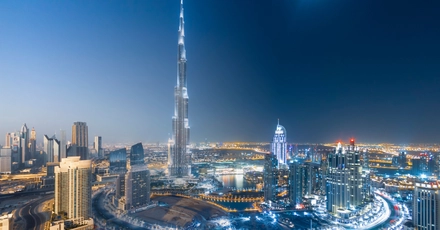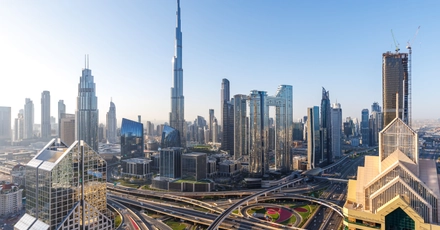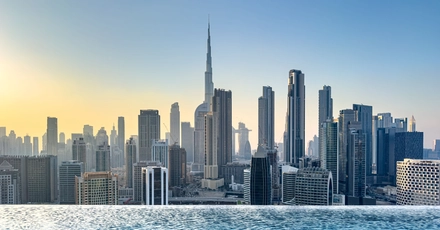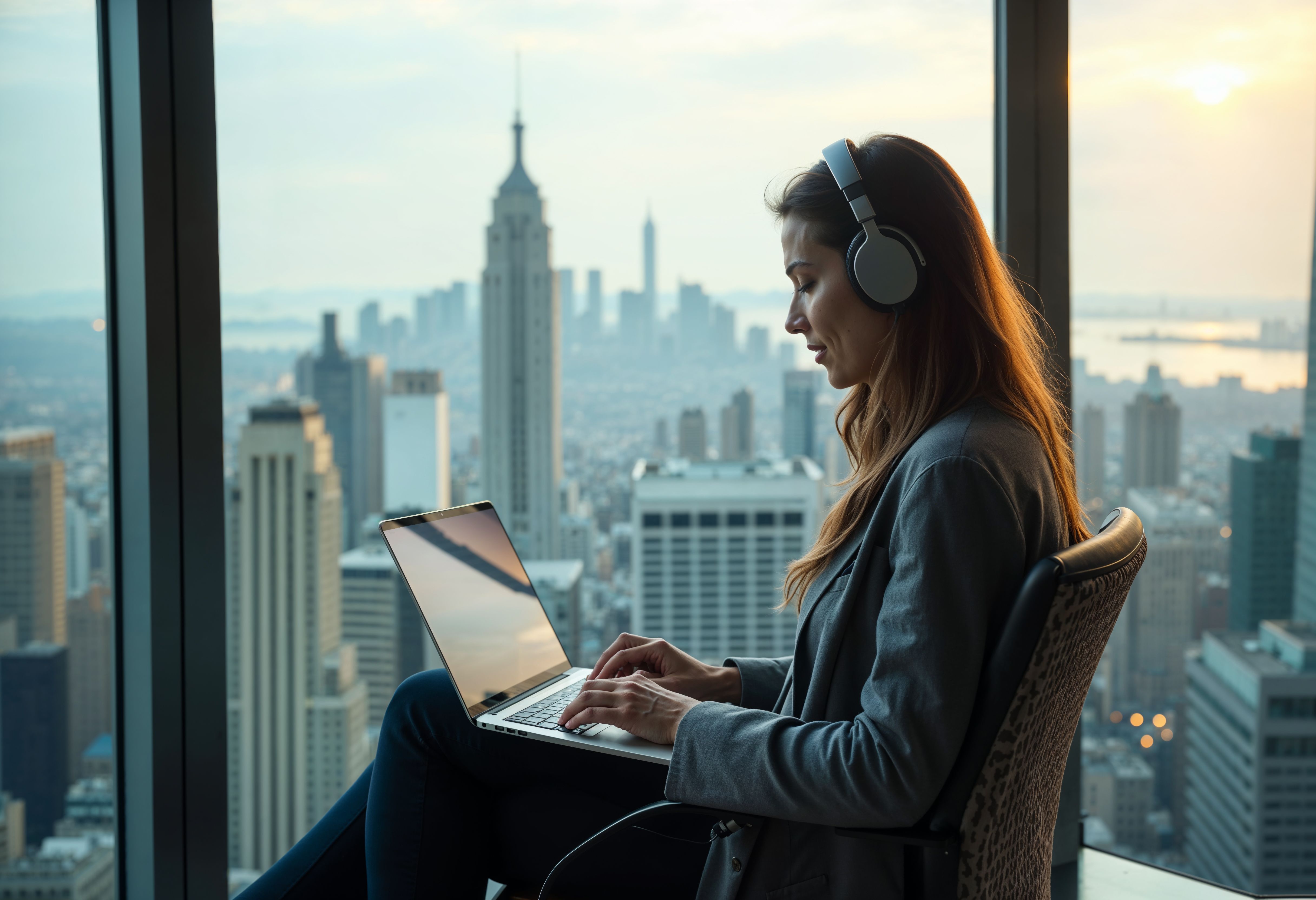
With more professionals splitting their time between home and office, buying property in Dubai has increasingly centred around homes that offer flexible workspaces and better connectivity.
The global shift toward hybrid work has reshaped how people live, work, and choose their homes and Dubai is no exception. What began as an acceleration during the pandemic has become a permanent lifestyle preference for many professionals and families. Today, hybrid working is influencing property design, community demand, tenant expectations, and investment strategies across the emirate.
At Exclusive Links Real Estate, we’ve seen first-hand how this shift is transforming buying and renting behaviour in 2025. Here’s a closer look at how the hybrid model is redefining Dubai’s real estate landscape — and what it means for owners, developers, and investors.
1. Homes Are Becoming Workspaces — Not Just Living Spaces
Buyers and tenants are prioritising:
- Dedicated home office rooms
- Quiet corners for video calls
- Larger layouts with multifunctional spaces
- Natural light and improved ventilation
- High-speed internet readiness
Communities such as Dubai Hills Estate, Dubai South, JVC, and Arabian Ranches are seeing increased demand because they offer modern layouts with flexible spaces that suit both lifestyle and work-from-home needs.
For landlords, this means upgraded interiors - even something as simple as built-in shelving, better lighting, or improved acoustics - can significantly boost rentability. As remote-friendly communities grow, demand for apartments for rent in Dubai with modern layouts, quiet zones, and shared work lounges has risen significantly.
2. The Rise of “Third Spaces” Within Communities
Hybrid workers aren’t staying home all day — they’re looking for alternatives that blend productivity with comfort.
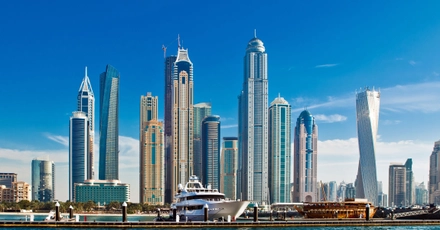
Dubai’s newest communities and mixed-use developments have adapted by offering:Areas like Business Bay, Dubai Marina, Expo City and MBR City have benefited the most thanks to the presence of cafés, flexible work hubs, and walkable community zones.
This shift boosts property values in neighbourhoods that support a “live–work–play” lifestyle.
- Co-working lounges
- Community work pods and meeting rooms
- Coffee shops designed for work
- Outdoor seating with Wi-Fi
- Shared business centres in residential towers
Areas like Business Bay, Dubai Marina, Expo City and MBR City have benefited the most thanks to the presence of cafés, flexible work hubs, and walkable community zones.
This shift boosts property values in neighbourhoods that support a “live–work–play” lifestyle.
3. Reduced Need to Live Close to the Office
The hybrid model allows residents to move away from traditional employment hubs without sacrificing convenience. This is increasing demand in suburban and emerging communities, including:
- Dubai South
- Town Square
- Mudon
- Tilal Al Ghaf
- The Valley
- Damac Hills 2
These areas offer more space, better value, and family-friendly amenities - ideal for those who work from home several days a week.
Investors are increasingly drawn to these communities for their:
- Attractive entry prices
- Strong rental demand from families
- High yield potential
- Ongoing infrastructure development
4. Commercial Real Estate Is Adapting — Not Declining
Hybrid work hasn’t reduced Dubai’s need for office spaces — it has transformed them.
- Companies are shifting toward:
- Flexible, serviced offices
- Hot-desking layouts
- Smaller, higher-quality office footprints
- Shorter leases
- Shared meeting facilities
This is driving demand in prime business districts like DIFC, Business Bay, JLT, and Dubai Design District, while also boosting co-working operators across the city.
Rather than eliminating the office, hybrid working has made it more intentional - a place for collaboration, not daily desk work.
5. Developers Are Designing with Hybrid Living in Mind
The new generation of Dubai projects increasingly includes:
- Study rooms or “flex rooms”
- Wider balconies and outdoor spaces
- Integrated smart home systems
- Noise-reducing construction
- Biophilic design
- Larger two- and three-bedroom units
Developers recognise that lifestyle buyers and tenants now expect homes to support creativity, health, and productivity.
Off-plan investors should pay close attention to these features when choosing units, as hybrid-working-friendly layouts are proving to hold long-term value. Developers are also reshaping off plan property in Dubai to include hybrid-work-friendly amenities, from soundproof pods to integrated smart-office setups within residential towers.
6. Impact on Landlords: Higher Expectations, Higher ROI
For landlords, the hybrid shift presents both opportunity and responsibility.
Tenants now expect:
- Better layouts
- Modern finishes
- Strong Wi-Fi
- Quiet environments
- Functional spaces
Landlords who upgrade or furnish their properties with hybrid living in mind can achieve:
Modern finishes
- Faster occupancy
- Higher rental yields
- Stronger long-term tenant retention
This shift is also influencing property management services in Dubai, which are increasingly focused on creating community spaces and tech-enabled facilities that support remote and hybrid workers.
At Exclusive Links Property Management, we see clear evidence:
💡 Properties that accommodate hybrid work lease faster and command premium rents.
We also assist landlords with:
- Long-term and short-term rental strategies
- Property staging
- Market-led renovation advice (via our Contractors Direct partnership)
- Free ROI and rental projections
7. A More Lifestyle-Driven Dubai Market
The hybrid model has shifted the real estate conversation from “Where is your office?” to “How do you want to live?”
As a result, demand is rising for:
- Community parks and green spaces
- Fitness and wellness facilities
- Walkability
- Cafés and restaurants
- Family-friendly infrastructure
Dubai’s master-planned communities — already designed around lifestyle — are now perfectly aligned with global living trends, helping explain why the city continues attracting expats, entrepreneurs, and remote professionals.
Hybrid working is no longer a temporary adjustment — it has permanently reshaped how people choose homes and communities in Dubai.
From larger layouts and dedicated workspaces to flexible commercial hubs and more suburban living, the real estate market is evolving rapidly in response.
For property owners and investors, the opportunity is clear:
Adapt to the hybrid lifestyle and your property will appeal to the new generation of global residents who are choosing Dubai for its modern, flexible way of life.
If you’d like tailored guidance on choosing hybrid-ready properties or improving your current portfolio to meet tenant demand - the Exclusive Links team is here to help.